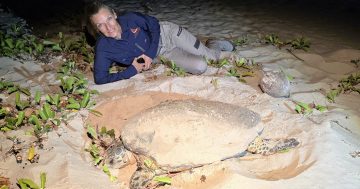
Western Cape York rangers will use their new welding skills to secure the future of turtles across the region. Photo: Cape York Natural Resource Management.
Upskilling local rangers is filling a gap in turtle conservation on western Cape York as predators threaten the upcoming nesting season.
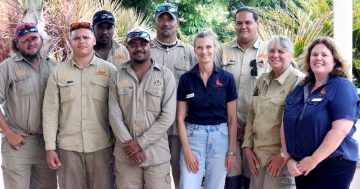
Sixteen rangers have undergone a four-day training course in Mapoon to build cages designed to protect turtle hatchlings and give them a fighting chance.
The purpose-built cages were originally designed in 2016 by former Pormpuraaw Ranger Coordinator Robbie Morris, and have since been widely used by the Western Cape Turtle Threat Abatement Alliance (WCTTAA).
They have proven highly effective at preventing feral pigs, dogs and goannas from raiding turtle nests, while also acting as a visual reminder for people driving on beaches to avoid the nests.
However, Cape York Natural Resource Management marine turtle conservation program lead Dr Manuela Fischer said ranger groups across the region needed access to more in order to make a difference.
“One of the issues often raised in WCTTAA forums is the limited number of cages,” she said.
“By upskilling rangers to weld aluminium and fabricate the cages themselves, they can be built locally and also supplied to other Cape York ranger groups.”
With the west coast turtle nesting season typically beginning in late May or early June, the training ensures there is still time to build additional cages before nesting activity starts.
Anthony Lowden-Kearing from the Mapoon Land and Sea Rangers said the course covered a range of practical skills to make the cages, and he was looking forward to improving further.
“I really enjoyed the training, and I hope to build each cage in less than an hour after completing the course,” he said.
“I think these skills will also help our team on other projects.”
The mesh openings of the cages are large enough for hatchlings to escape the nest and reach the sea, but small enough to keep predators out.
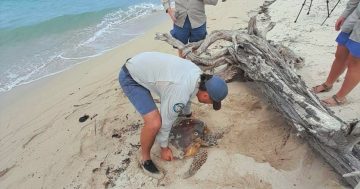
Some nests are also tagged and monitored, with data collected on nest location, turtle species, hatching success, predator attempts and nest temperature.
Project Officer Scott Morrison from Cape York NRM said protecting turtle nests from feral pigs was critical for improving hatchling survival.
“Feral pigs are incredibly smart and persistent predators. They can smell turtle eggs and consume multiple nests in one night,” he said.
“Unfortunately, northern Queensland has one of the densest feral pig populations in Australia, and many of our most important turtle nesting areas occur in the same places.”