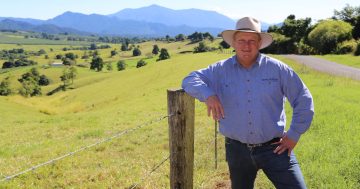
Lakeland cattle producer Joy Marriott is calling on the Federal Government to bring back sentinel herd testing in the Northern Peninsula Area after the region was identified as a high-risk entry point for lumpy skin disease. Photo: Lyndon Keane.
A Cape York cattle producer has called for monthly sentinel herd testing in the Northern Peninsula Area following the identification of the Top End as a vulnerable entry point for lumpy skin disease (LSD) virus.
Spread through insect bites, the virus causes skin nodules, lesions, fever and weight loss, posing a huge threat to the Australian beef and dairy industries.
Earlier this month, a University of Queensland-led team flagged the northern tip of Australia as “the location most exposed to windborne insect arrival”, but the only sentinel herd in the NPA was ceased in 2020.
In the absence of the Seisia herd, the Northern Australia Quarantine Strategy conducts annual feral animal surveys in the region, with any suspect lesions investigated, sampled and submitted for LSD exclusion.
There is now only one sentinel herd on a commercial property near Weipa and Lakeland cattle producer Joy Marriott said she was worried that may not be enough.
She wants to see another sentinel herd in the NPA – tested monthly.
“When you look at what happened all through Europe when it came across, they go, ‘Lumpy skin’s not that bad, it doesn’t affect humans’, but their only way of controlling it is by killing all the herds,” she said.
“That’s what we’re looking at, so rather than trying to do something once it’s here, how about if we could detect it north of the Jardine and maybe it could be contained to that.
“It seriously needs to be done.”
While LSD has never managed to cross Australian borders, the disease has been detected as close as Bali, Indonesia.
In a statement, the Department of Agriculture, Fisheries and Forestry did not comment on the resurgence of a sentinel herd in the NPA, but advised the herd near Weipa was tested monthly.
“Currently, there is one sentinel herd in operation on a commercial cattle property in the Cape York region, with monthly testing and ongoing monitoring for exotic animal diseases and pests,” a spokesperson said.
“Australia’s strict biosecurity system is designed to reduce the risk of diseases such as lumpy skin disease being introduced into Australia.
“The Australian Government has invested more than $2 billion in additional biosecurity resourcing since 2022.”
Ms Marriott said the government must ramp up sentinel herd testing, especially following the influx of illegal Indonesian fishing boats in northern Queensland and Torres Strait waters.
“It’s a national thing; you’ve got the whole beef industry in Australia on the line,” she said.
“The Federal Government need to have it on the top of their list. There are cattle up there, and I’m sure the people that own it, they’d work with the government about testing those cattle.
“Obviously, we like our cattle, and if a disease outbreak occurs because of something that government has failed to do, I don’t think it’s fair.”