Chuulangun traditional owners have been working to find out how many endangered palm cockatoos remain on the Cape. Photos: Supplied.
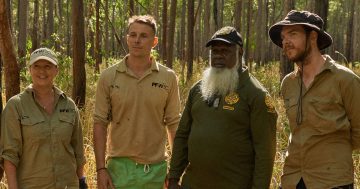
A team of Cape York Indigenous rangers and a consulting biologist trekked more than 60 kilometres through harsh conditions to track down endangered palm cockatoos considered important on a global scale.
Now, the group has been retracing the steps taken during their survey two years ago, setting out with little idea how many of the birds actually survived Tropical Cyclone Narelle.
In late 2024, the ranger survey team led by Kuuku I’yu Northern Kaanju traditional custodian, Chuulangun Ranger David Claudie Jnr and ecologist Simon Kennedy embarked from the tiny community of Chuulangun in the centre of the Cape. A handful of palm cockatoos would sometimes visit the Chuulangun campground and surrounds.
The survey team trotted through tropical savanna and riverine rainforests, sandy riverbeds, up and down steep gullies and around sacred freshwater springs.
They discovered 36 palm cockatoos, or nearly two per cent of the national population at the time, mostly along the Wenlock River.
In mid-September this year, the team was preparing to return to the same area to repeat the 2024 survey, hoping the population had held up in the wake of the cyclone six months earlier.
Mr Kennedy told the Cape York Weekly that Narelle was still a category 3-4 when it impacted the area and it was packing winds of 150 km/h. He said the system felled “thousands of century-old trees” and it was feared “many of these may have had nests”.
Results of the latest cockatoo survey are due soon.

The work is being undertaken in the Kaanju Ngaachi Wenlock and Pascoe Rivers Indigenous Protected Areas (IPA).
During the previous survey, the group also measured, assessed and GPS-tracked about 300 bloodwood, stringybark and Cooktown ironwood trees used as nesting habitats for the birds, as well as nonda plums, which are a major food source.
The latest Chuulangun Aboriginal Corporation survey project named Turning down the Heat: Strategic burning for the Kila (palm cockatoo) population on Kuuku I’yu Homelands has been given more than $69,300 in funding under the Queensland Government’s Threatened Species Recovery Action Grant Program.
The work is being undertaken in the Kaanju Ngaachi Wenlock and Pascoe Rivers Indigenous Protected Areas (IPA), which span almost 2000 square kilometres and make up one of the largest Indigenous-managed tropical protected areas in the world. It links Kutini-Payamu (Iron Range) National Park to the east and Piccaninny Plains Wildlife Sanctuary to the west.
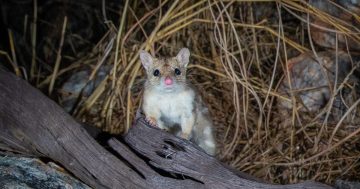
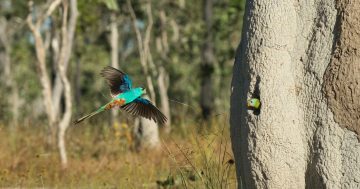
Palm cockatoos are known locally as “kila” and are an important species culturally. They tend to nest in only the largest trees around rivers.
“Protection from mining and large-scale deforestation is important, but so is correct fire management,” Mr Kennedy said.
“Traditional fire management has been conducted here for millennia and is returning to parts of the IPA after a long period when very few people remained on Country. Without it, fires at the hottest time of the year (mostly arson) burn through large swathes of eucalypt savanna and kill too many trees.”
The cockatoos of the Iron Range attract visitors from around the world, keen to catch a glimpse.
In Australia, elusive palm cockatoos — known for drumming on trees with makeshift musical instruments — are primarily found tucked away in remote parts of the Cape and are the country’s largest cockatoos. They can weigh up to one kilogram and live for 90 years.
Wildlife organisations estimate just 1800 to 2600 mature cockatoos remain in the wild nationally, but larger populations exist in Papua New Guinea.