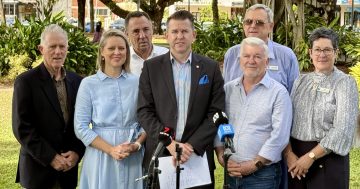
Cook Shire Council Mayor Robyn Holmes said council had done its best to balance rising costs and community investment in the 2026-27 annual budget. Photo: Lyndon Keane.
Roads, essential services and community infrastructure have emerged as the top priorities of the Cook Shire 2026-27 annual budget amid increasing financial pressures for the community and council.
Cook Shire Council announced the budget, which will support the delivery of 23 operational plan initiatives and a $9.35 million capital works program, on 30 June, following its largest community budget engagement program to date.
As residents grapple with rising cost-of-living pressures, council received more than 115 survey responses, written submissions and community conversations which set the direction for the year ahead.
“We know many households are doing it tough, which is why council worked hard to strike a responsible balance between maintaining services, investing in community priorities and keeping increases as manageable as possible,” Mayor Robyn Holmes said.
“Roads, footpaths and drainage remain our community’s highest priority, and you’ll see that reflected in this year’s capital works program through significant investment in road renewals, sealing and drainage improvements across the shire.
“Like households, local government is facing significant increases in the cost of doing business. Wages, electricity, insurance, fuel, contractors and construction materials have all increased, but our responsibility remains the same – to continue delivering the essential services our communities rely on.”
Key features of the budget include Finch Bay Road and Railway Avenue East upgrades in Cooktown, Lakeland Landfill rehabilitation, Weary Bay Esplanade sealing in Bloomfield, and Fairview–Palmerville Road drainage upgrades.
Alongside the council’s capital program, about $90 million in Disaster Recovery Funding Arrangements works are expected to be delivered across the shire during 2026–27, while council will also progress the recently announced $2.4 million Davies Hill upgrade through the Queensland Government’s Cape York and Torres Strait infrastructure package.
This year, residents will see an increase in their rates. The approximately 51 per cent of residential ratepayers assessed at council’s minimum residential general rate will see their bill increase by $79 per year, while rate increases for the remaining residential properties located outside the major townships will vary according to council’s differential rating system.
The Queensland Government’s Emergency Management Levy has also increased, but the Rural Fire Levy, collected on behalf of local rural fire brigades in the Marton, Poison Creek, Rossville and Bloomfield brigade areas, remains unchanged.
While times are tough, Mayor Holmes said council had increased support available to eligible pensioners, and would continue rewarding prompt payment through its Early Payment Incentive.
“While we can’t avoid every increase, we have looked for practical ways to support our community. Increasing council’s pensioner concession and continuing our Early Payment Incentive are two ways we’re helping reduce the impact for eligible households,” she said.