Mossman Gorge, the southern gateway to the World Heritage-listed Daintree Rainforest in Far North Queensland. Photo: Aaron De Wit.
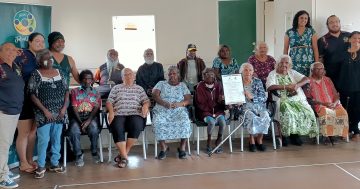
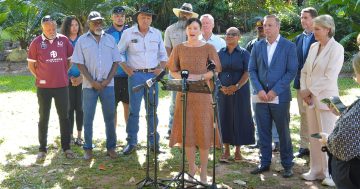
A slice of the world-renowned Daintree Rainforest has been handed back to traditional owners, days after it was revealed a massive 3000 hectares of Cape York Peninsula land had been returned – including the area where Captain James Cook first made contact.
The Queensland Department of the Environment, Tourism, Science and Innovation said late last week more than 28 hectares of the Daintree, the world’s oldest continually surviving tropical rainforest, had been returned under the Cape York Peninsula Aboriginal land (CYPAL) initiative.
The 0.3 square kilometres of land is back in the hands of the Eastern Kuku Yalanji (EKY) traditional owners.

The Daintree is estimated to be up to 180 million years old. Photo: Martijn Vonk.
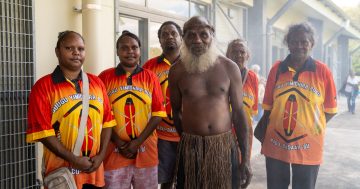
It was previously announced the Bubu Nubuun Aboriginal Corporation was exploring opportunities after the handback of the 30 sqkm of land covering parts of the Endeavour River National Park, Endeavour River Resources Reserve, Mount Cook National Park, Keatings Lagoon Conservation Park, and some unallocated state land.
Cook and his crew spent nearly 50 days fixing their ship, the Endeavour, which was damaged after it struck the Great Barrier Reef in 1770.
During that time, the first recorded contact between Indigenous people and the British occurred (re-enacted for the 67th time by the Cooktown Re-enactment Association at the Cooktown Discovery Festival on Sunday (21 June)).
Now, the Daintree handback marks the return of one of the world’s most biologically diverse regions, home to a wide range of threatened and endemic species.
The handback, which came after lengthy negotiations, is set to pave the way for better land management in the slice of the World Heritage-listed tourist attraction, which is estimated to be up to 180 million years old.
“The land transfer ensures the permanent protection of these ecosystems and will be included as part of Daintree National Park (CYPAL),” a department statement reads.
The land will be granted to the Jabalbina Yalanji Aboriginal Corporation on behalf of the EKY under a “unique arrangement that combines Aboriginal ownership with national park tenure”.
Jabalbina chairwoman Laurel Denman welcomed the return of the land for traditional Yalanji management.
“This addition to the jointly managed CYPAL allows us to protect our culture, and it’s a testament to the success of our partnership with Gondwana Rainforest Trust and the Queensland Government,” she said.
“The new Bamanga Muruku Visitor Centre at Cape Tribulation is already boosting tourism in the area and providing a platform for the EKY to share their rich cultural heritage with the world.”

The Bmanga Muruku Visitor Centre. Photo: Supplied.
Rachel Small, Cape York Peninsula Tenure Resolution program director, said the EKY would blend traditional knowledge and modern conservation practices to manage the land.
“The return of Country will further empower the EKY to protect their culture, strengthen their connection to the land and share their heritage with visitors through Indigenous-led tourism initiatives,” she said.
Gondwana Rainforest Trust CEO Richard Christian said the trust played a pivotal role in acquiring the land.
“Through private fundraising and collaboration with the Eastern Kuku Yalanji and the Queensland Government, we’ve secured the highest level of statutory protection for this critically important rainforest habitat,” he said.
Scott Buchanan, executive director of The Wet Tropics Management Authority, said the transfer of the land was a step forward for sustainable land management.
“Collaborating with rainforest Aboriginal peoples is central to our work in protecting the Wet Tropics of Queensland World Heritage Area,” he said.
“This handback supports the EKY’s aspirations for greater control over their Country, ensuring its long-term protection through the integration of traditional knowledge and western science.”
Original Article published by Luke Mortimer on Region Tropical North Queensland.