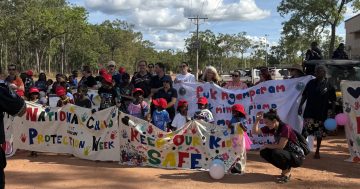
Queensland has almost as many children in residential care as every other state and territory combined, the inquiry revealed. Photo: Helena Lopes.
The Queensland Government is taking “swift action” after the Cape York Institute told a damning inquiry the region was at the centre of the state’s child protection and youth justice “crisis”.
Cape York Institute (CYI) CEO Kirsty Davis and founder Noel Pearson welcomed the tabling of the Child Safety Commission of Inquiry’s report in Queensland Parliament earlier this month.
They hoped CYI’s proposals could help provide a practical framework for turning the tide and sparking reform.
Key inquiry findings include that about 67 per cent of reported incidents of sexual abuse of children in care involved kids placed in residential care, and the number of young people in residential care surged by 229 per cent from March 2015 to March 2025.
The inquiry found the annual cost of residential care jumped from around $300,000 per child in 2019-20 to about $500,000 per child in 2024-25.
Not a single child has been adopted from state care in Queensland since 2019.
It was also revealed Queensland has almost as many children in residential care as every other state and territory combined.
The Crisafulli Government said in a statement it was “carefully considering” the inquiry’s 52 recommendations.
Mr Pearson said the report was significant because it acknowledged child protection began long before a notification, a court order or removal of a child.
“The commissioner (Paul Anastassiou KC) was right to conclude that governments have repeatedly addressed the visible manifestations of system failure while failing to attend to the factors and conditions that continue to produce such horrendous rates of child removal,” he said.
“Queensland cannot remove its way out of this crisis. The future of child safety depends on strengthening families before harm escalates and confronting the causes of dysfunction that continue to draw children into the statutory system.”
Mr Pearson said endorsement of the CYI Family Responsibilities Commission was important.

Cape York Institute founder Noel Pearson.
“We have a proven working and practical mechanism with the Indigenous-designed and Indigenous-led Family Responsibilities Commission [FRC], where local elders and respected leaders hold parents to account through structured support backed by legislative authority,” he said.
“An FRC acts as a circuit breaker before dysfunction hardens into destiny and children are removed, before courts and prison become dominant institutions in a family’s life.
“The FRC is child protection at the point where families can still be stabilised, children can still remain safely at home, and responsibility can still be rebuilt.
“The moral logic of the current system has become inverted. When governments refuse to use proportionate, early responsibility mechanisms, coercion does not disappear. It simply arrives later in harsher forms like child removal, residential care, youth detention and imprisonment.”
Mr Pearson said change required a different philosophy of reform.
“Do not give up on these families. If they are held to their responsibilities, and they are supported with opportunity, the lives of their children can change for the better. We have seen too many families turn the situation around, when they are supported,” he said.
“The state must meet responsibility with opportunity. It must create real pathways into meaningful employment, support educational success, expand economic participation and rebuild the conditions in which families and communities can build capability.
“Responsibility can only be sustained when effort is matched by genuine opportunity.”
Ms Davis said addressing social issues was key.
“The commissioner has been prepared to speak plainly about the realities driving child harm. Alcohol abuse, drug abuse, domestic violence, chronic truancy and welfare-fuelled instability are not peripheral issues. They sit at the centre of the child protection crisis,” she said.
“Alcohol policy is child protection policy. When alcohol becomes the organising feature of household life, children pay the price through neglect, violence, disrupted schooling, family instability and lost opportunity.
“Children have an absolute right to grow up in a safe, loving home, with food on the table and their educational needs met.
“We encourage the government to heed the commission’s advice and reject any move to weaken alcohol management plans in order to satisfy adult demand at the expense of children’s well-being.”

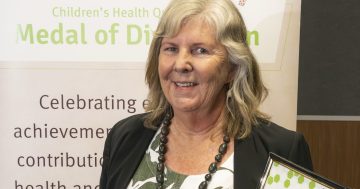
Cape York Institute Kirsty Davis says alcohol abuse, drug abuse, domestic violence, chronic truancy and financial instability are a big part of the problem. Photo: CYI.
Attorney-General Deb Frecklington said the report exposed shocking consequences of a decade of neglect and failure.
“Queensland’s child safety system was failing the very children it was supposed to protect,” she said.
“The commission’s findings are deeply concerning, particularly the evidence that a significant proportion of reported sexual abuse incidents in care involved children placed in residential care.
“We will carefully consider every recommendation alongside the Child Death Review Board’s In Plain Sight report, as we work to rebuild a child safety system focused on protection, accountability and better outcomes for children and young people.”
The government has established a Cabinet Sub-Committee to oversee consideration and implementation of the report’s recommendations.
Original Article published by Luke Mortimer on Region Tropical North Queensland.