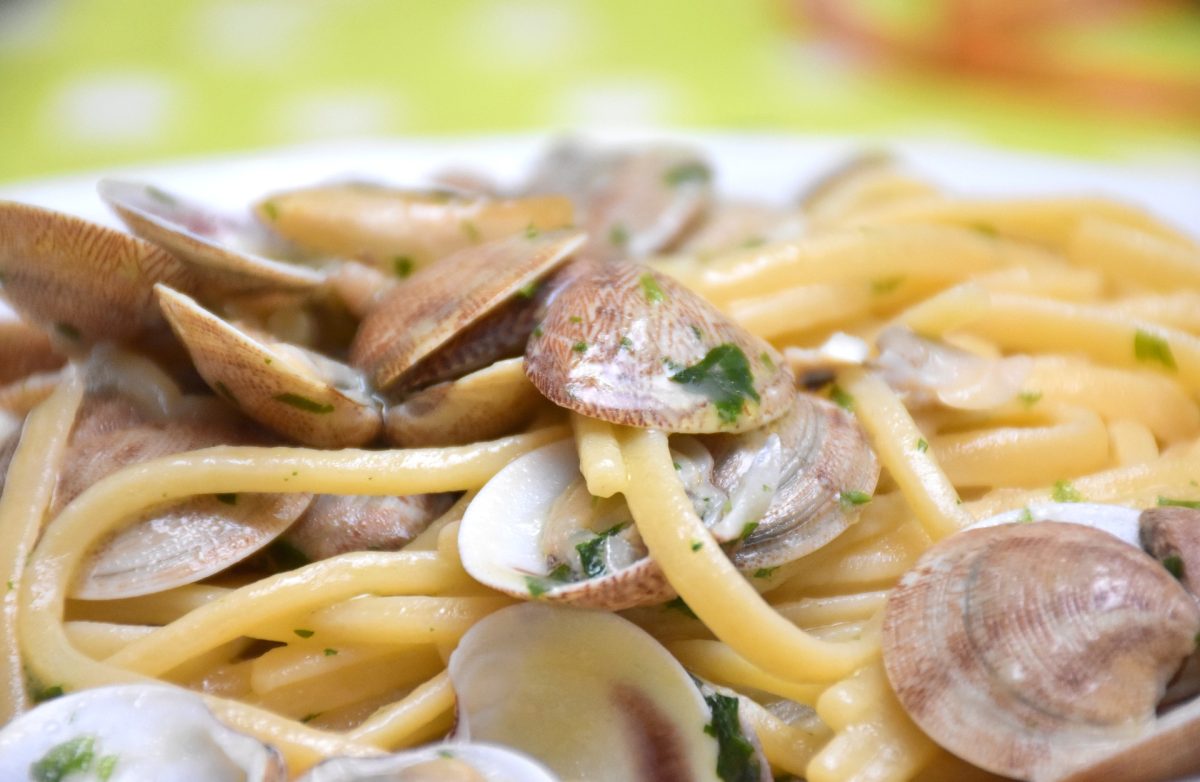
Food preparation and storage is key in our warmer climates. Photo: TCHHS.
Christmas, hot weather and upset tummies don’t have to go together if we follow a few simple food safety tips this festive season.
Torres and Cape Hospital and Health Service (TCHHS) public health medical officer Dr Helen Pedgrift said the Queensland heat posed a risk to food safety if not managed properly.
“We can expect many more gatherings of family and friends and sharing of food to occur during the festive season,’’ she said. “We want people to enjoy themselves but also make sure there are no unfortunate after-effects.
“Preparing food for a lot of people can be risky, especially at this time of the year when several generations get together, the weather is hot, and the fridge is overloaded.
“All these factors can conspire to provide perfect conditions for food poisoning bacteria to multiply in our food.’’
Dr Pedgrift said food-borne illnesses affected an estimated 4.1 million Australians each year.
“While most recover within a few days, the illness can be particularly serious for the very young, the elderly, those with existing health problems and pregnant women,’’ she said.
Symptoms of gastrointestinal diseases include headache, fever, stomach cramps, diarrhoea, nausea and vomiting. They usually start six to 72 hours after exposure to the bacteria and typically last four to seven days.
“If symptoms persist for more than a few days or are severe, always see a doctor,’’ Dr Pedgrift said.
“People should also stay home from work, school or other activities until symptoms have ceased for at least 24 hours to avoid passing the illness on to others.’’
She said many types of bugs could cause food poisoning – the two most common: campylobacter and salmonella.
“But food poisoning can be avoided at any time of year, not just during the festive season, if all Torres Strait, Cape York and Northern Peninsula Area residents adopt good food safety habits.”
TCHHS food safety tips:
- Cook poultry, chicken, turkey, rolled and stuffed roasts, sausages and mince dishes fully.
- Hams will keep for several days with proper handling by removing them from plastic wraps, covering with clean cloth to stop them drying out and by following instructions on the packaging.
- Store raw Christmas meats at the bottom of your fridge so juices can’t drip on to ready-to-eat food such as salads and desserts.
- Refrigerate your leftovers immediately after a meal or when food has stopped steaming.
- Heat leftovers to at least 70 degrees Celsius for at least two minutes and steaming all the way through.
Visit: The Food Pantry.
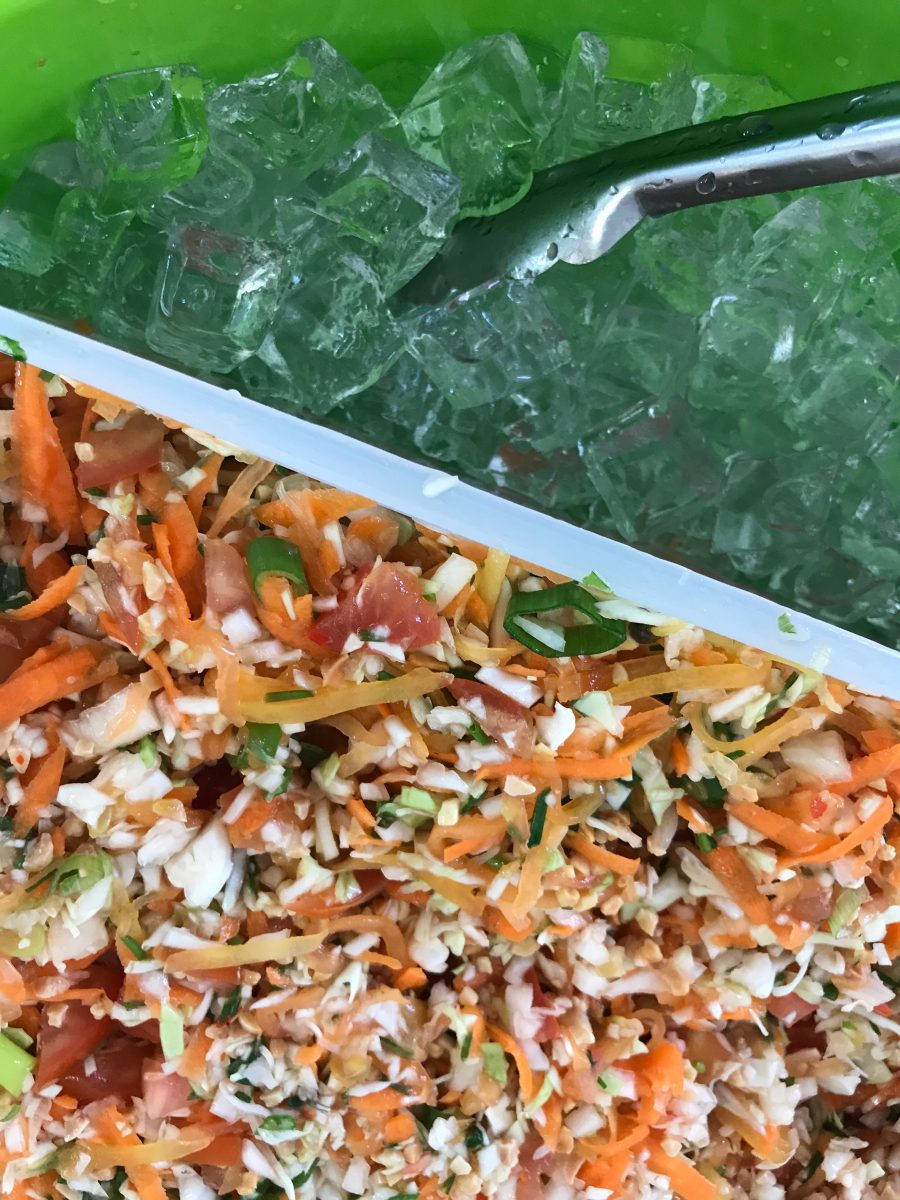
Incorrect food layering in the fridge can lead to dangerous drips. Photo: TCHHS.