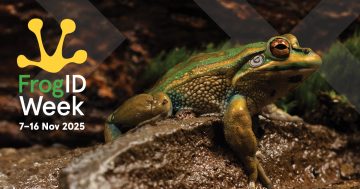
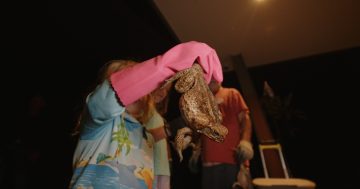
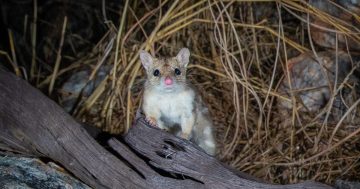
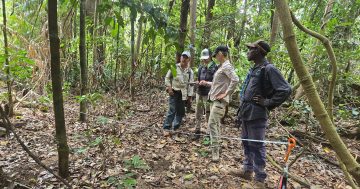
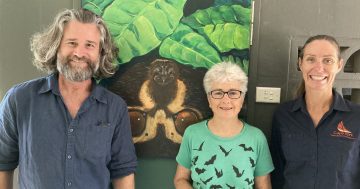
Scientists are particularly keen on getting species data from Wujal Wujal and Mapoon this FrogID Week, from 6-15 November. Photo: Thomas Parkin.
Scientists are calling on residents of Wujal Wujal and Mapoon to help fill critical gaps in knowledge about Australia’s threatened frogs, with both communities currently recording no entries in the national FrogID database.
The Australian Museum is urging people to help uncover the species living in their neighbourhoods by recording frog calls during FrogID Week, from 6-15 November.
Now in its ninth year, the citizen science project has collected more than 1.5 million frog recordings nationwide. However, the submissions cover only about 44 per cent of Australia, leaving significant gaps in understanding where frog populations survive.
Australian Museum FrogID lead scientist Dr Jodi Rowley said remote communities were particularly important to the effort, with researchers seeking data from areas where little is known about local species.
“We need to know where threatened frogs are surviving if we’re going to protect them,” she said.
“Some of the most valuable information we’re getting is coming from people recording frogs around their own homes.”
With one in five Australian frog species threatened with extinction, even recordings of common species can help scientists build a clearer picture of biodiversity.
Last year’s FrogID Week documented 118 species, with more than 26,700 verified records collected over 10 days.
Residents can participate by downloading the free FrogID app and recording frog calls wherever they hear them. Every submission is reviewed by Australian Museum experts and contributes to scientific research and conservation.
For more information, visit www.frogid.net.au.