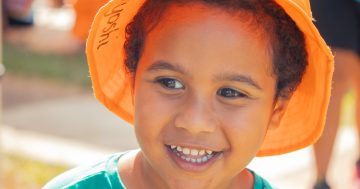
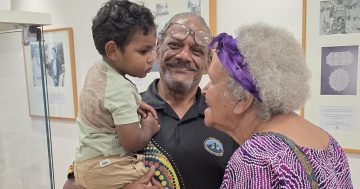
The biennial Ruchook Cultural Festival brought the Napranum community together on 6-8 August. Photo: Rebecca Munro.
A cultural festival that has been part of Napranum’s history for more than 30 years is continuing to connect elders with the next generation of knowledge bearers and cultural preservers.
The biennial Ruchook Cultural Festival brought the remote Cape York town to life on 6-8 Augus by bringing together community members of all ages for a series of cultural workshops, performances, activities and storytelling sessions.
Napranum Aboriginal Shire Council events coordinator Nadine Dick said the three-day affair was more than just a festival — it was an important part of celebrating cultural identity.
“Our next generation needs to know where they come from, and understand the importance of their culture, stories, traditions and connection to Country,” she said.
“Ruchook gives us an opportunity to keep that knowledge alive by bringing elders, young people, families and the wider community together.
“It also gives visitors an opportunity to hear from the people, learn about the culture, and gain a better understanding of Napranum and the wider region.”
The Ruchook Cultural Festival was first held in 1992, and carries the vision of renowned elder and artist Dr Thancoupie Fletcher AO, who was the founding chair. She created the festival in collaboration with elders as an opportunity for the young generation to learn and connect, and her legacy carries on to this day.
“Our elders are keepers of knowledge, stories, traditions and cultural practices, and creating opportunities for them to share that knowledge with young people is essential to keeping culture alive and strong,” Ms Dick said.
“There is something important about hearing that knowledge directly from an elder. During this year’s festival, we were fortunate to have elder Richard Barkley share his knowledge and understanding of what has been passed on to him.
“The Ruchook Festival creates a space where culture can be shared across generations and with visitors to our community. It is an opportunity to listen, learn, understand and appreciate the culture of Napranum and the wider region directly from the people who carry that knowledge.”