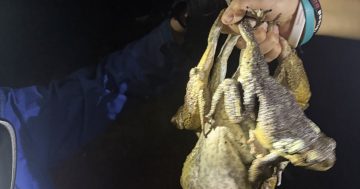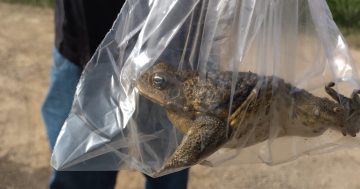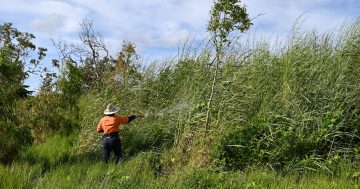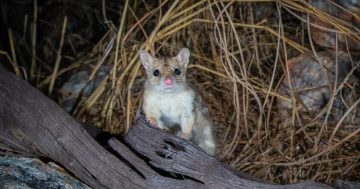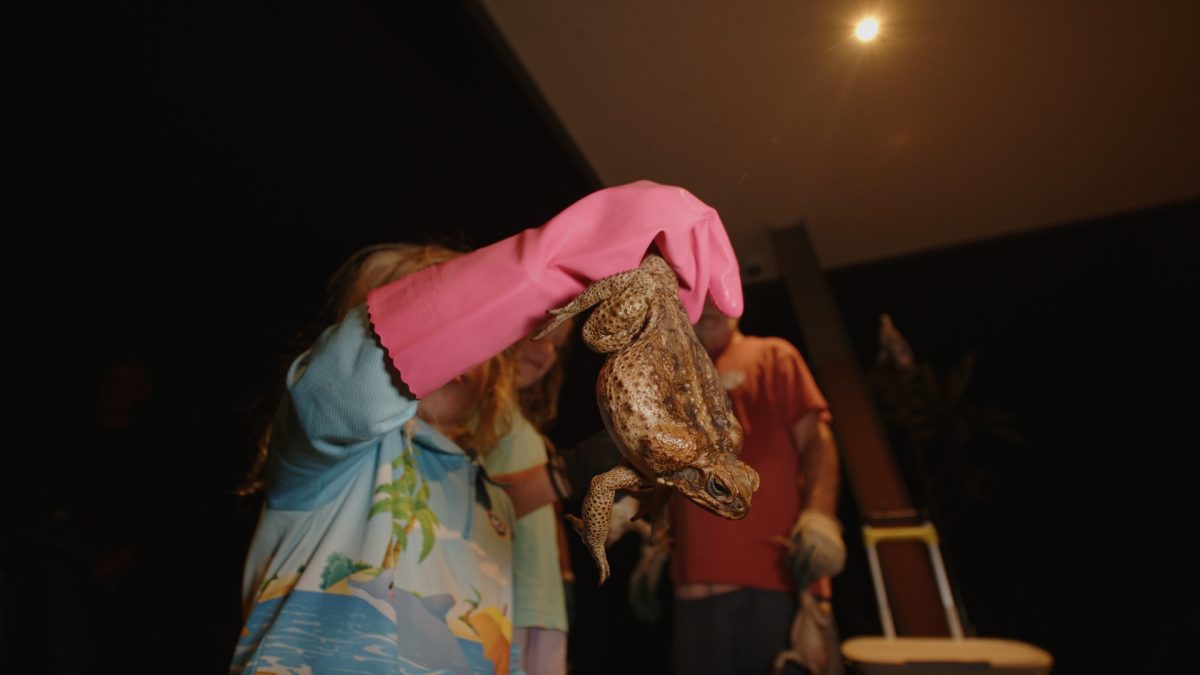
The Great Cane Toad Bust needs Cape York’s help to see another record-breaking week of native species protection. Photo: Supplied.
Australia’s biggest cane toad bust is calling on Cape York residents to do their part in a cross-country environmental protection movement.
Hundreds of Aussies are set to take part in the Watergum Community’s Great Cane Toad Bust on 17-25 January, and it is not too late for Cape York to join the action.
Launched in 2021, the annual event has mobilised families, schools, landholders and local groups to humanely remove one of the country’s most destructive invasive species.
Invasive species manager Emily Straton said cane toads were “incredibly problematic” to native wildlife, and with Cape York being home to many, it was imperative the region got involved.
Since their introduction in 1935 as a failed attempt at controlling cane beetles, cane toad populations have grown from just 102 individuals to more than 200 million across Australia.
With no natural predators and the ability to outcompete native species for food and habitat resources, cane toads continue to pose a major threat to biodiversity, pets and agriculture, she said.
“[They] are prolific breeders, producing between 8000 to 35,000 cane toad eggs at a time, whereas native frogs only produce 16 eggs for the Corroboree Frog, to nearly 4000 for the Bleating Tree Frog,” she said.
“They also release toxins from their glands that are deadly to some native wildlife, and can kill a medium-sized dog.
“Cape York is a naturally beautiful area, and locals can help play a direct role in creating safe havens for native wildlife and pets.”
In 2025, participants removed a record-breaking 199,231 cane toads in just one week — a result Watergum Community hopes to beat in 2026.
“Research has shown that a single coordinated bust can remove up to 47 per cent of a local toad population in just one night,” Ms Straton said.
“With enough people taking part, these numbers can scale to real, lasting ecological benefits.
“Locals may be collecting cane toads but not logging their data, so we encourage them to start submitting their data, even outside cane toad season, so we may see the impact they are making to their local region.”
Register for the event (even after 17 January) here.