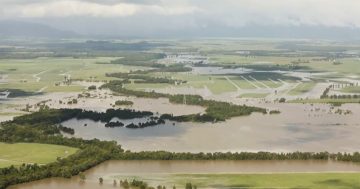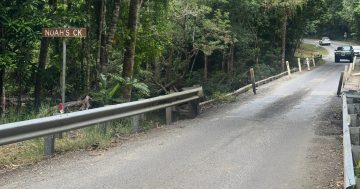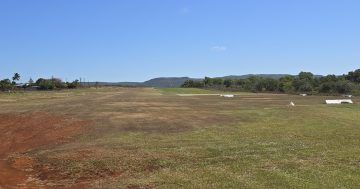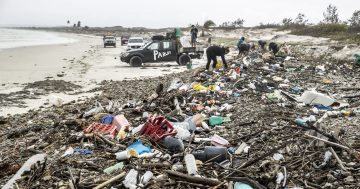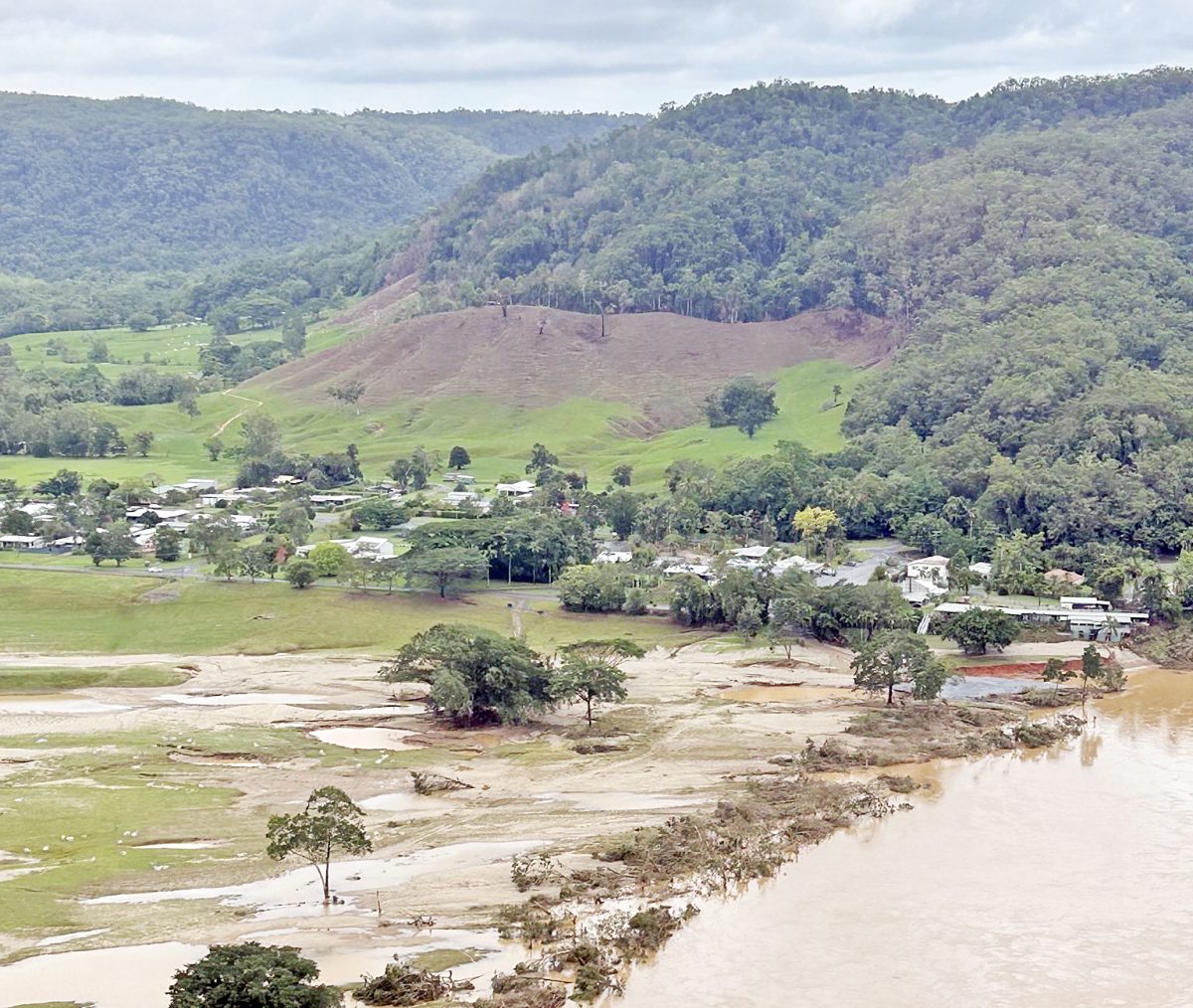
Photos from the ADF in the wake of Severe Tropical Cyclone Jasper in late 2023. Soldiers carried out reconnaissance of Daintree Village and access roads into Wujal Wujal. Photo: Supplied.
Remote Indigenous communities across the Cape are in line for significant disaster infrastructure improvements to help safeguard residents.
The Federal Government is set to spend $7.2 million on the construction of a multipurpose community resilience centre in Aurukun, which will be used as a public cyclone shelter, disaster coordination, evacuation, recovery and community services facility.
Wujal Wujal State Emergency Service is due to get $1m to provide access to its facility in all weather conditions, while $687,023 will be spent installing solar flood monitoring cameras at key flood-prone roads and waterways in Kowanyama.
Additional funding from the Queensland Government and project partners brings the total investment in disaster preparedness on the Cape to just over $16m.
Leichhardt MP Matt Smith welcomed the work, which is part of round four of the $1 billion Disaster Ready Fund.

Leichhardt MP Matt Smith says communities should be “reassured” governments are working together to help the Far North prepare for wild weather. Photo: Supplied.
“This investment in Far North Queensland communities will go a long way to helping prepare these communities for the impact of floods and cyclones in Aurukun, Wujal Wujal and Kowanyama,” he said.
“As we prepare for the 2026 cyclone season, it’s reassuring to know that the Commonwealth and State governments are working closely to not only prepare and respond to the extreme events we’ll see this year, but are also looking towards longer term solutions for communities across the region.”
Federal Emergency Management Minister Kristy McBain said the projects were “a smarter way to keep communities safer and stronger”.
“Every dollar invested in mitigation and resilience can save many more in recovery costs down the track,” she said.
“The Disaster Ready Fund is about backing local solutions to local risks, while ensuring communities have the support they need to face future challenges with confidence.”

Extensive flooding following Severe Tropical Cyclone Jasper. Photo: Supplied.
Special Envoy for Climate Change Adaption and Resilience Kate Thwaites added: “Far North Queenslanders are only too aware of the impact that more extreme and frequent weather events are having on their lives.
“The Albanese Government is proud to be partnering with the State Government and other partners, to support projects that improve resilience across these communities,” she said.
In total, 14 projects across Queensland are sharing more than $24.5m in Commonwealth funding through round four. An additional $19.1m is being invested by the state and project partners, bringing the total investment to more than $37.8m.
The disaster resilience projects have been announced days after the Federal Government backed down on proposed recovery funding changes following strong advocacy from Far North community leaders, and local governments statewide.
Changes would have seen states, territories and councils foot up to 50 per cent of the recovery bill following disasters. Currently, the Commonwealth pays up to 75 per cent. Treasurer Jim Chalmers confirmed the government would not be going ahead with changes.