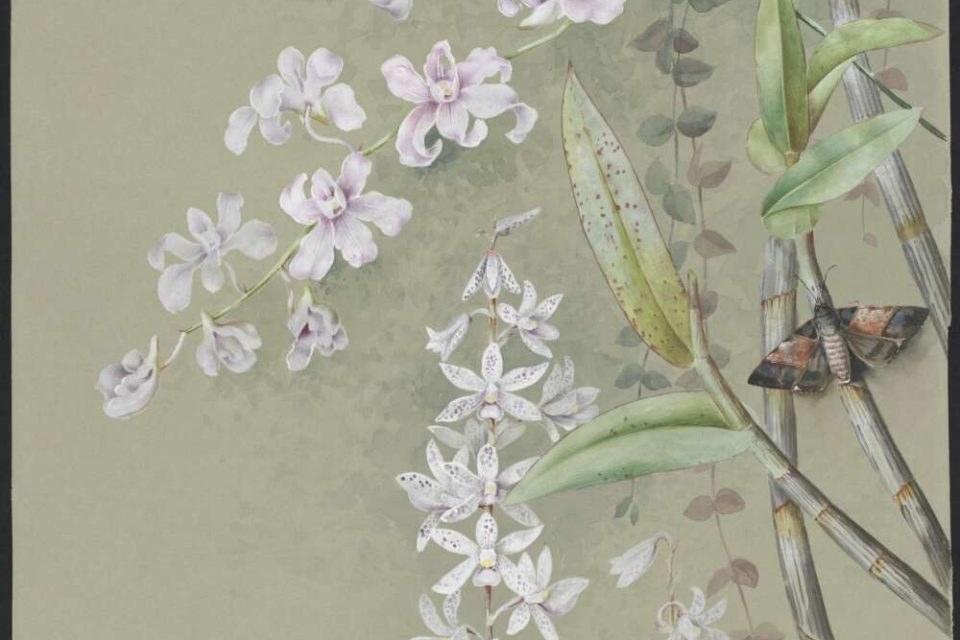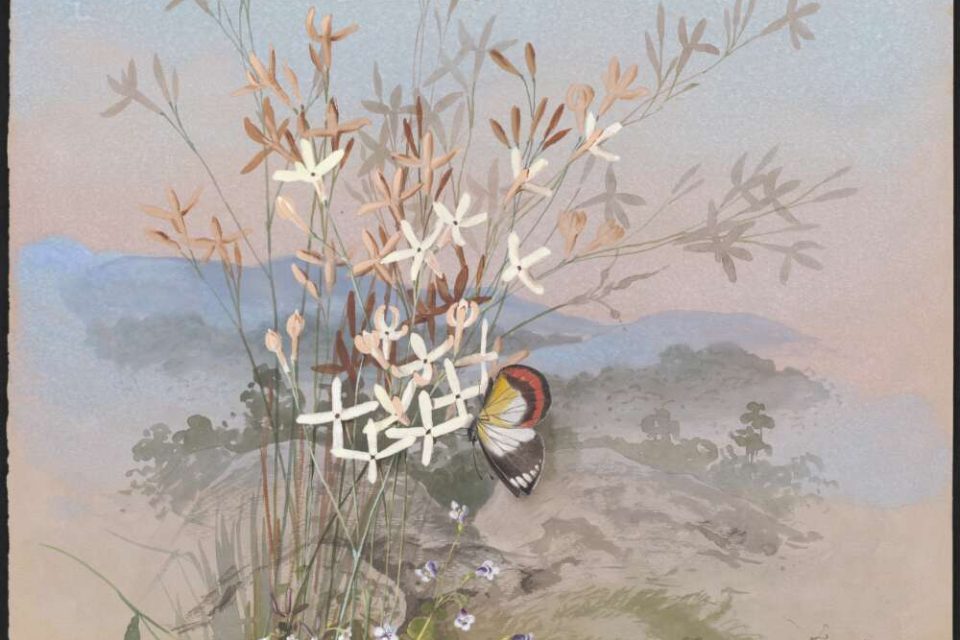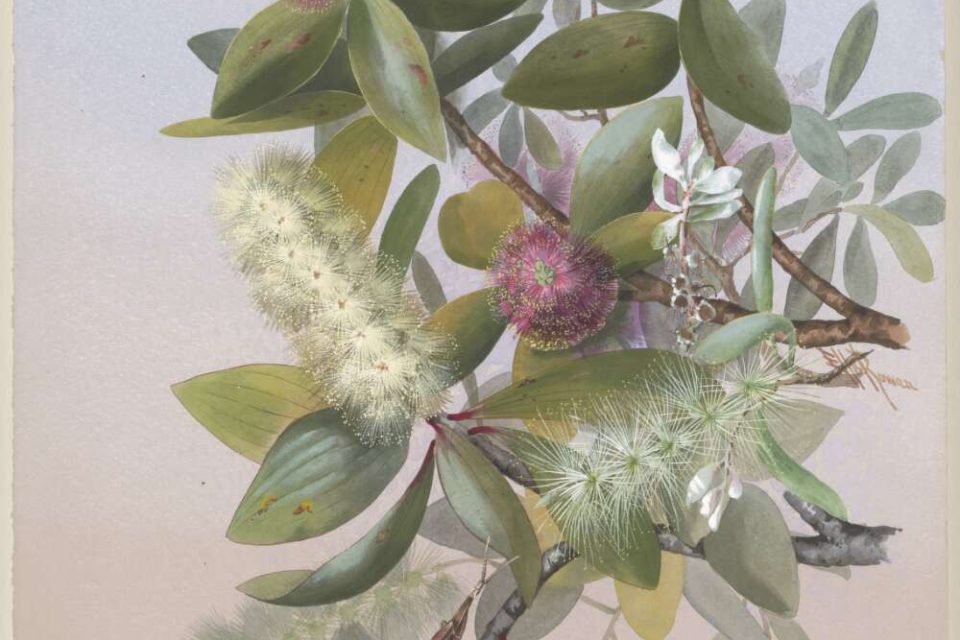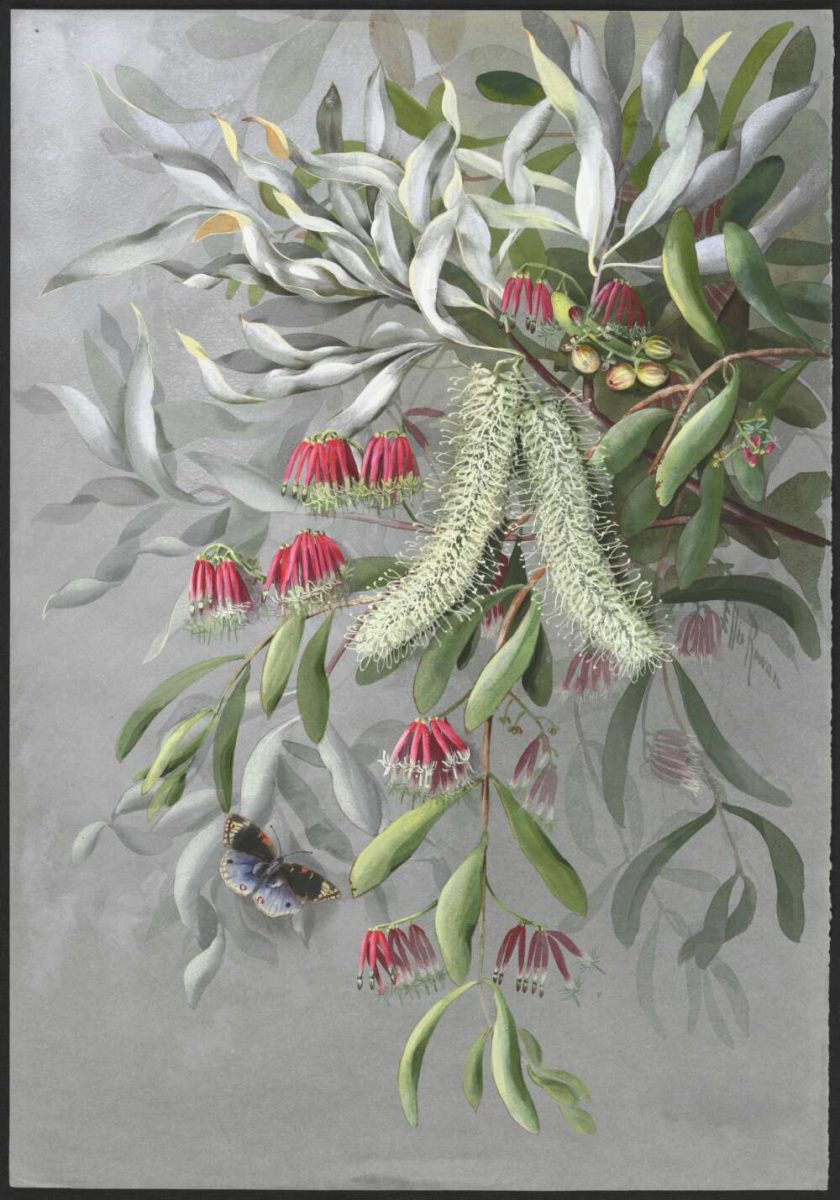
Painting by Ellis Rowan, Bushman’s clothes peg/Grevillea glauca Banks & Sol. ex Knight, family Proteaceae and Amyema sp., family Loranthaceae with a butterfly, Cooktown, Queensland, ca. 1887. Credit: Ellis Rowan, National Library of Australia, nla.obj-138768514-1.
James Cook University research has revealed the tale of two pioneering botanical artists who used their exquisite paintings of Australian tropical plants to inspire, break through gender and cultural barriers, and protect the environment.
JCU PhD candidate Janine Evans has published new historical research highlighting the incredible lives and achievements of Australia’s pioneering female botanical artists from the 19th and 20th centuries: Marian Ellis Rowan (1848-1922) and Vera Scarth-Johnson (1912-1999).
Both artists painted flora from the remote and beautiful Endeavour River region, on the ancestral lands of the Guugu Yimithirr people, near Cooktown.
“In the late 18th century, prior to photography, botanical art was essential to the scientific documentation of the natural world,” Ms Evans said.
“Naturalists relied on artists to provide a visual record of new plants, particularly those with potential economic or medicinal value.”
Botanical art and science in the 18th and 19th centuries were male dominated. Influential American physician J.F.A. Adams described botany in 1887 as “one of the most useful and most manly of studies”.
Ms Rowan and Ms Scarth-Johnson worked hard to fight against these societal norms. But they also used their privileged social status to achieve their success.
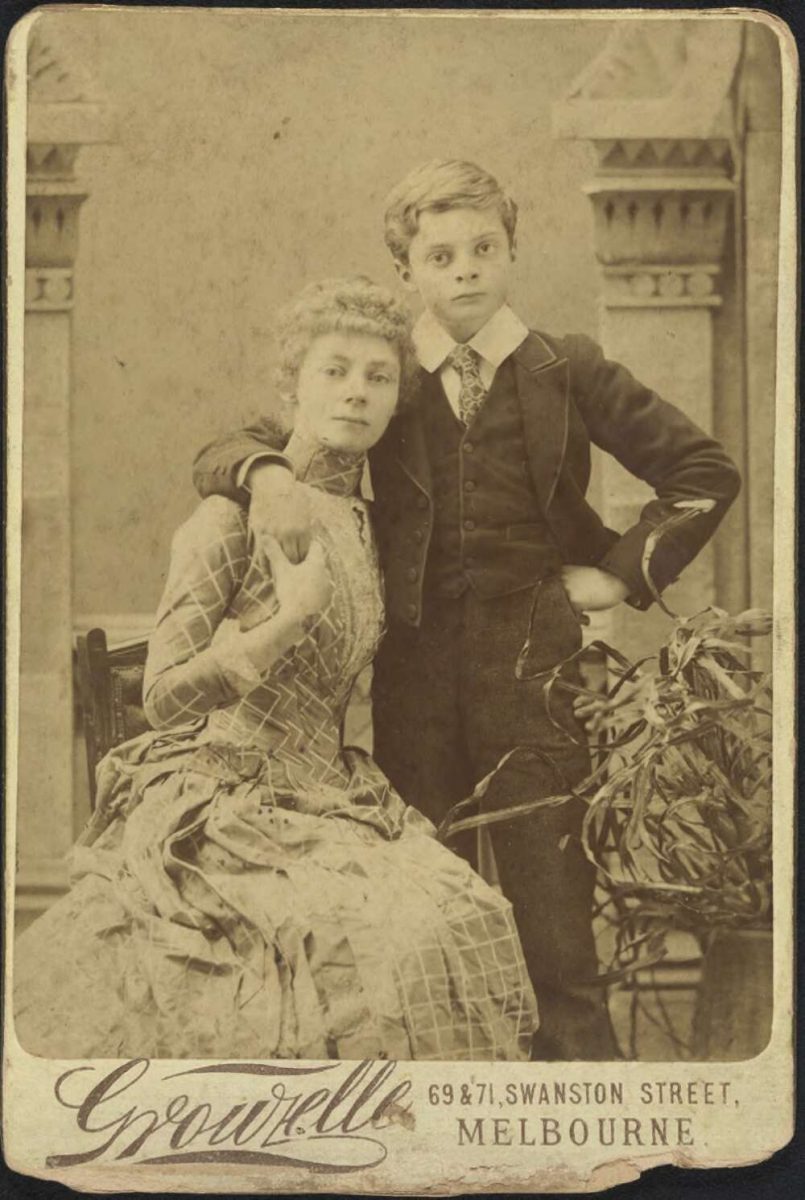
Ellis Rowan and her son Eric (Puck). Credit: National Library of Australia, nla.obj-136798719-1.
Ms Evans said botanical art was a way for women to engage and make meaningful contributions to society.
“Ellis Rowan was famous for her botanical art, with patrons such as Queen Victoria. She competed in international exhibitions – even beating the premier male artists of the country … that was a big controversy in the newspapers of the day,” Ms Evans said.
“She painted North Queensland plants that earlier botanists had not even identified, very much adding to the scientific record.
“But despite discovering new species, Ellis still didn’t get to name the plants, so there remained a gendered barrier for these artists.”
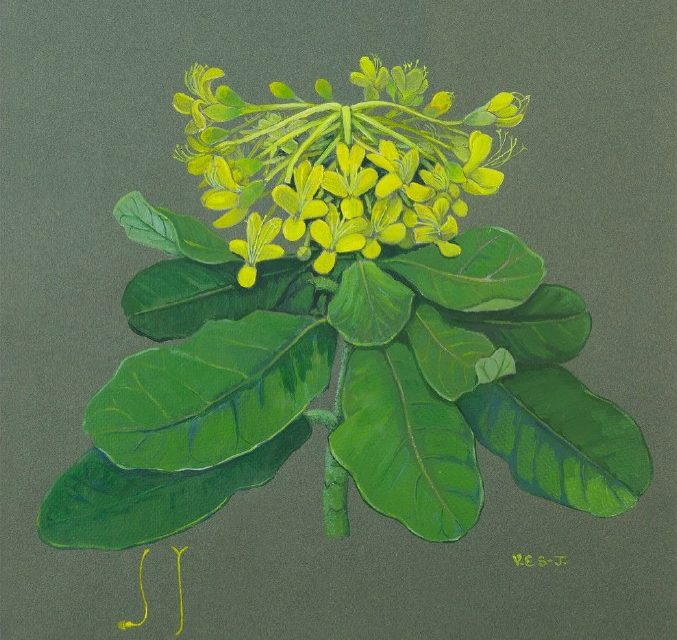
Vera was a passionate advocate for the natural environment of the Endeavour River region, using her recognised artwork to support her environmental campaigns.
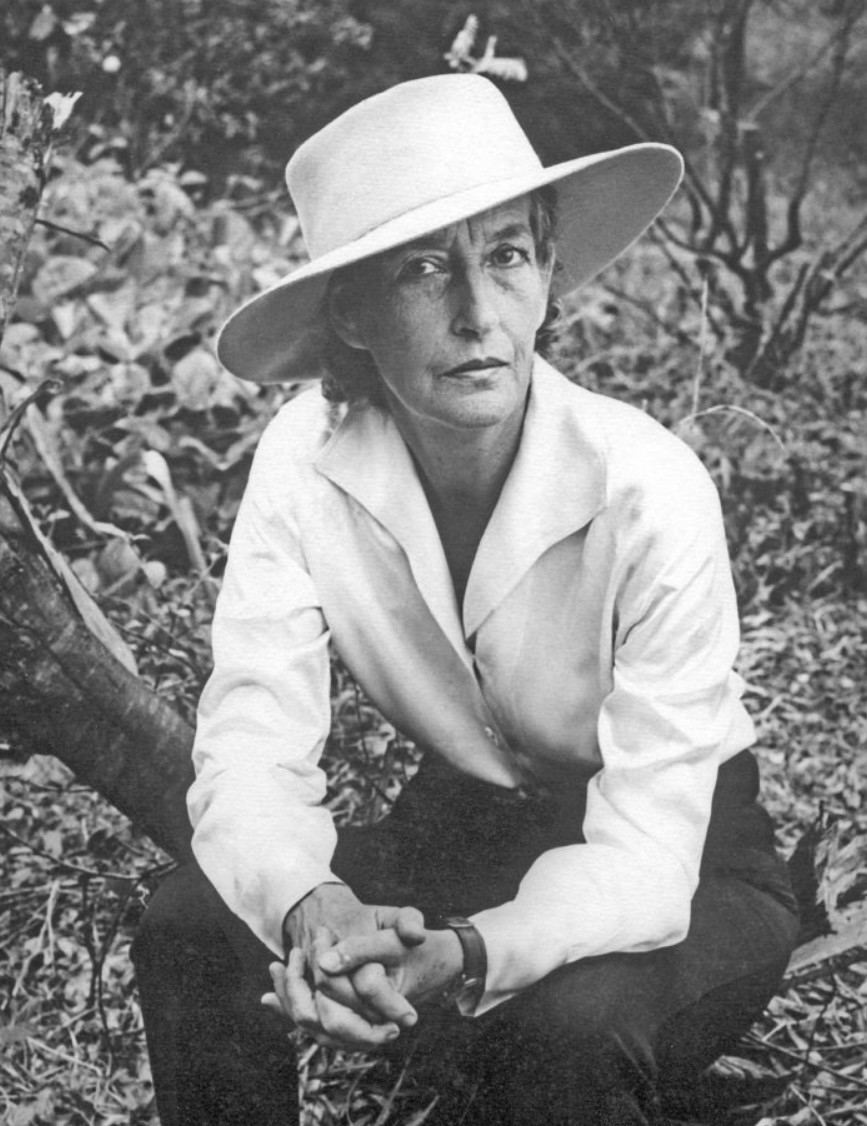
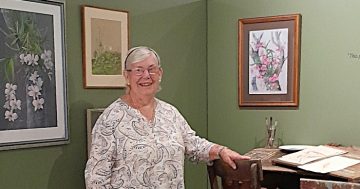
Pioneering botanical artist Vera Scarth-Johnson. Credit: Australian National Botanical Gardens, scarth-johnson-ex-news-mail-web24-02-2018, https://www.anbg.gov.au/index.html
In 1996, she was awarded a Medal of the Order of Australia (OAM) for her contributions to art and conservation.
“Vera loved Cooktown and the surrounding district,” Ms Evans said.
“She’d write to Cooktown’s local newspaper encouraging people to protect local orchids. With support from the fishing industry and environmental organisations, she led campaigns advocating for the protection of the natural environment.
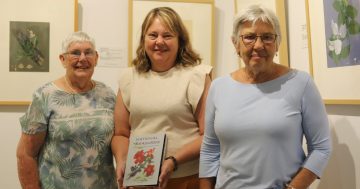
“Vera helped secure donations to build the local art gallery and donated her artwork collection to the people of Cooktown. Now you can view Vera’s artwork at Nature’s Powerhouse Gallery and then visit the actual plants right next door, in the Cooktown Botanical Gardens. It’s a beautiful juxtaposition.”
The two artists’ contributions built on the work of some of the world’s most influential botanists and botanical artists who were also captivated by the plants of the Endeavour River region.
In 1770, Captain James Cook’s ship, The Endeavour, was grounded on Cooktown’s offshore reefs, bringing Australia’s most famous botanist, Joseph Banks, and his lesser-known botanical artist, Sydney Parkinson, to shore.
“The Endeavour was the first maritime expedition to carry a dedicated botanical artist,” Ms Evans said.
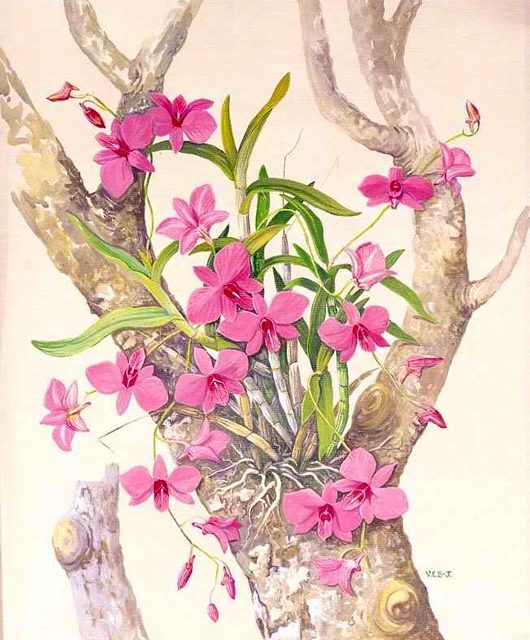
Ms Scarth-Johnson was inspired by these early botanists, making it her mission to repaint 200 botanical art paintings from Banks’ visit. With deteriorating health, she managed to complete 147 of the original pieces.
“The Endeavour River region is one of the most unique places in the world,” Ms Evans said.
“The work of these artists provides a baseline of how ecosystems are changing, important for protecting biodiversity.”